The Seminar Series invites spatial tissue profiling researchers, technology developers, and stakeholders to share breaking new discoveries, innovations.
Location: It is 100% online and takes place on the last Friday of each month. If there are breaking news or technologies to be showcased, additional seminars can be arranged outside the standard monthly slot.
Time: Last Friday of the month, 7AM Pacific time, 10AM Eastern, 3PM London, 4PM CET, 6PM Athens, 7:30PM Delhi, 10PM Beijing/Singapore/Perth, 11:00PM Tokyo, 11:30PM Adelaide, 12AM Melbourne/Sydney
How Can I Attend? All GESTALT members receive an automated invite with the seminar link. Joining GESTALT is free! Please use this link to become a member: https://globalspatial.org/join-gestalt/
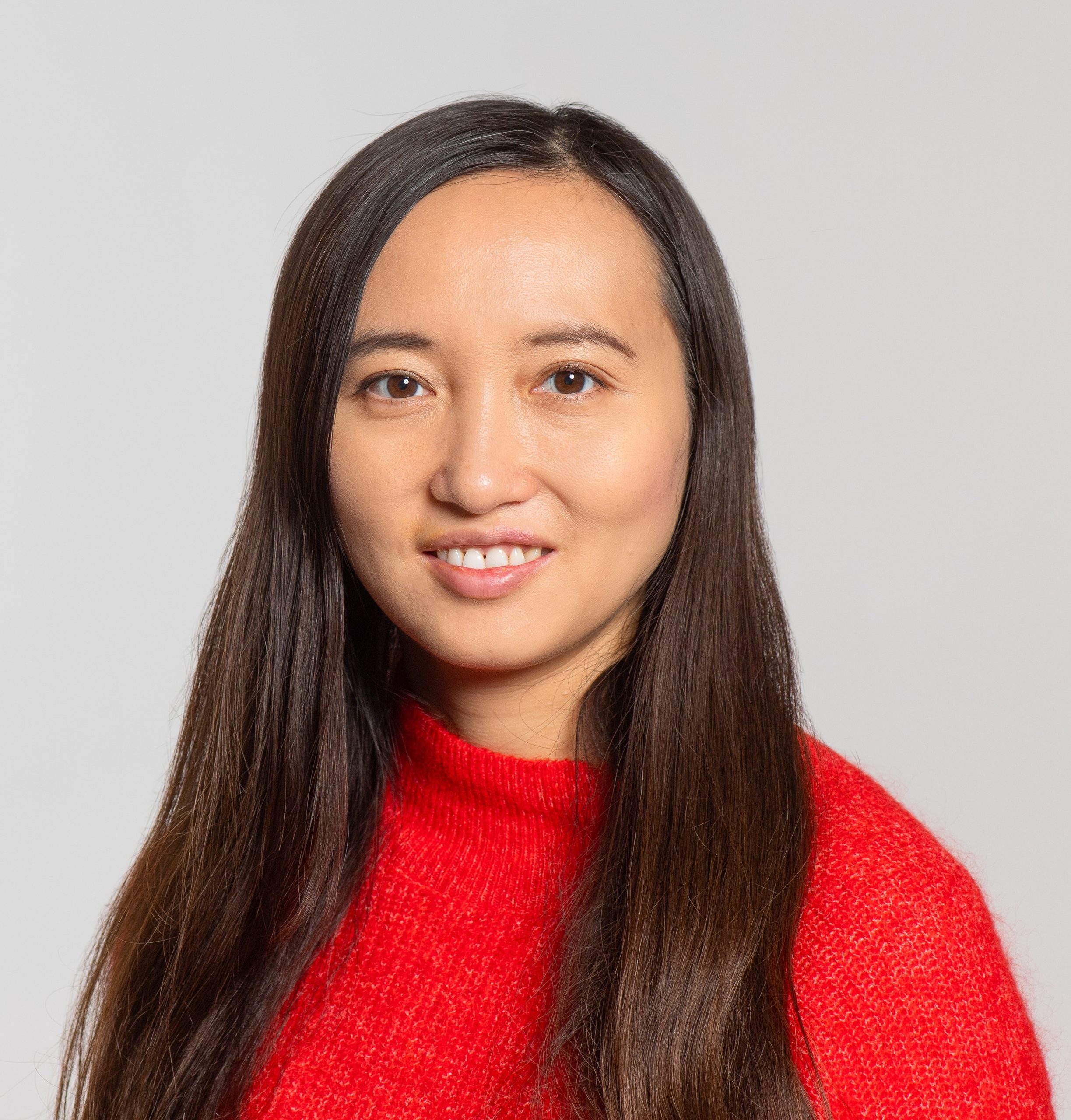
Dr. Tingying Peng is a Helmholtz AI Young Investigator Group Leader at Helmholtz Munich and a TUM Junior Fellow at the Technical University of Munich. Her research develops artificial intelligence methods for biomedical imaging, with a particular focus on computational pathology, quantitative microscopy, and multimodal learning. Her group aims to transform complex biomedical images into quantitative and biologically meaningful representations and to bridge tissue morphology with molecular and cellular information. Her recent work includes AI approaches for pathology image analysis, generative pathology reporting, and virtual spatial transcriptomics.
Spatial transcriptomics links gene expression to tissue architecture, providing a powerful view of cellular organization in health and disease. However, experimental spatial transcriptomics remains costly and difficult to scale to the large patient cohorts needed to capture human disease heterogeneity. In this talk, I will present Phoenix, a generative AI framework for virtual spatial transcriptomics from routine H&E histology. Phoenix predicts spatially resolved single-cell gene expression directly from histological images and generalizes across cohorts, organs, diseases, and even species. We demonstrate how this enables spatial molecular profiling at population scale, including the construction of a pan-cancer virtual spatial atlas across thousands of patients. I will highlight applications in identifying conserved tumor microenvironmental ecotypes, studying treatment-response-associated cellular interactions, and investigating disease-associated tissue programs. Together, these results illustrate how virtual spatial transcriptomics can complement experimental spatial technologies and extend spatial molecular analysis to cohorts far beyond the scale currently accessible experimentally.
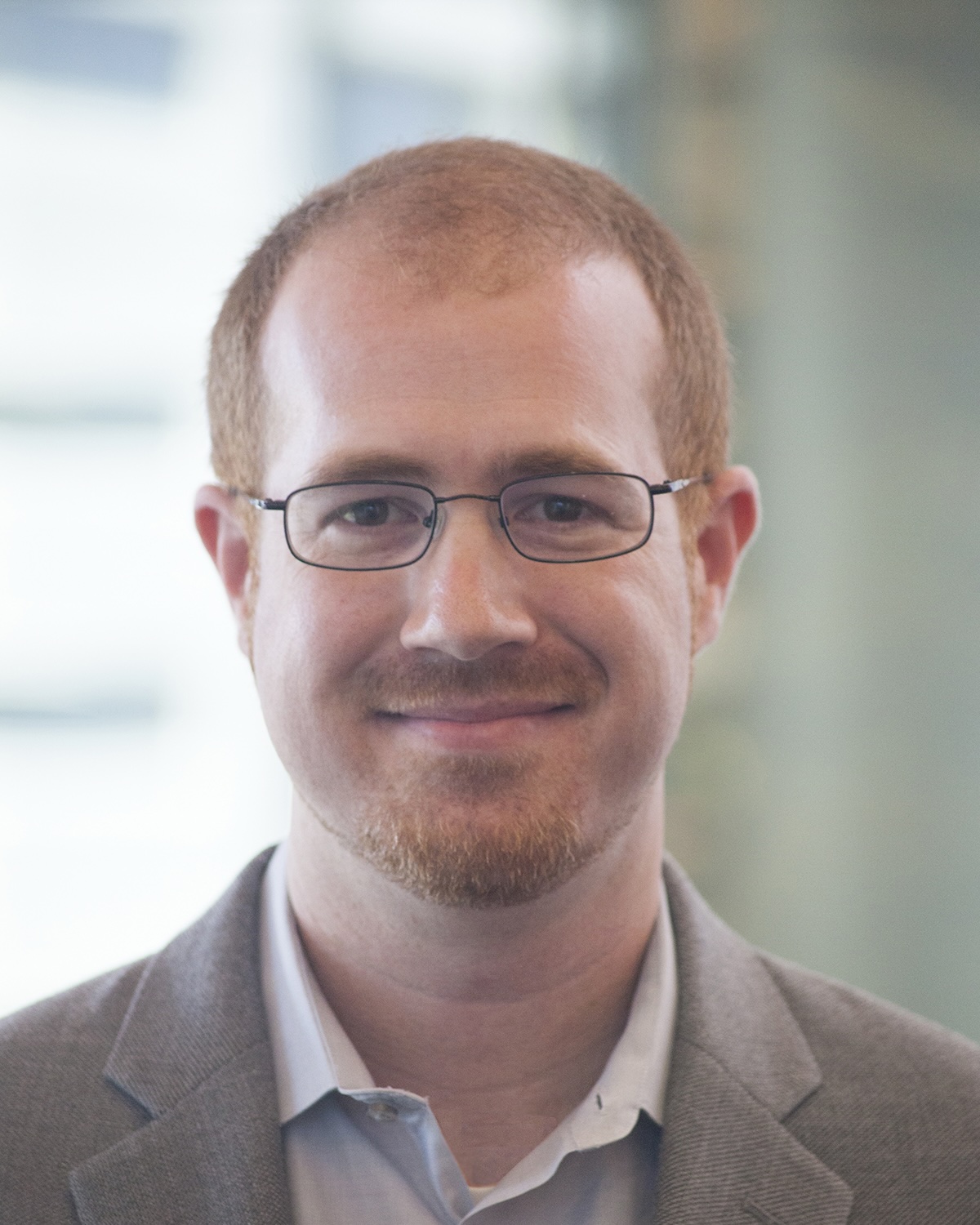
Dr. Aaron Newman is an Associate Professor in the Department of Biomedical Data Science at Stanford University, a member of Stanford Institute for Stem Cell Biology and Regenerative Medicine, and a Chan Zuckerberg Biohub Investigator. Dr. Newman has made significant contributions to computational biology including CIBERSORT/x for decoding cellular composition from bulk genomic data (Nature Methods 2015, Nature Biotechnology 2019); CytoTRACE/2 for inferring cellular differentiation states from scRNA-seq data (Science 2020, Nature Methods 2025); CytoSPACE for high-resolution integration of single cell and spatial transcriptomes (Nature Biotechnology 2023); and EcoTyper—most recently, Spatial and Liquid EcoTyper—for profiling spatial cellular ecosystems from multimodal tissue expression and liquid biopsy data (Cell 2021, Nature 2026). His group combines computational biology, AI, and genomics to study the cellular organization of complex tissues, with a focus on determining the phenotypic diversity and clinical significance of tumor cells and their surrounding microenvironments.
Multicellular ecosystems are fundamental units of tissue biology in health and disease but are challenging to profile across modalities, over time, and in the clinic. In this talk, I will introduce two complementary machine learning frameworks to address these challenges. The first, called Spatial EcoTyper, was designed to identify multicellular ecosystems called spatial ecotypes (SEs) from single-cell spatial transcriptomics data and recover them from single-cell, spatial, and bulk trancriptomic data. The second, called Liquid EcoTyper, is an interpretable AI framework for quantifying SEs from both tissue and non-invasively from cell-free DNA methylation data. The utility of this approach will be demonstrated using results from our recent work on noninvasive profiling of spatial ecotypes in the tumor microenvironment (Zhang et al., Nature 2026). Together, these methods provide a unified basis for deciphering and tracking tissue biogeography in cancer, autoimmune disease, fibrosis, and other pathological conditions.
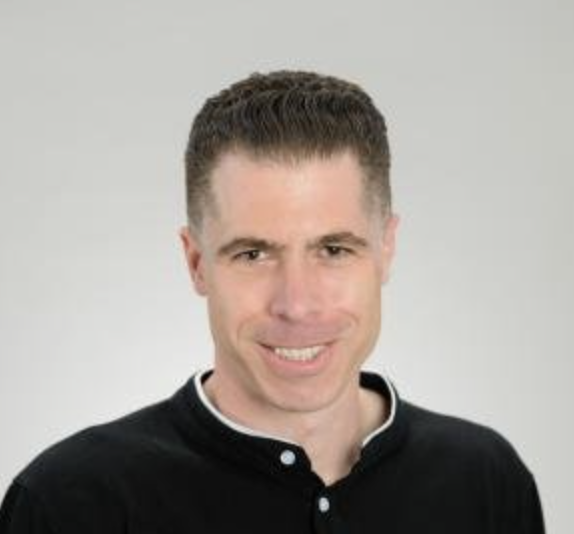
Dr. Eldad Shulman is a Research Scientist at Cedars-Sinai Medical Center, where he is building an independent research program in computational spatial oncology. His work develops AI that transforms routine H&E pathology slides into spatial maps of gene expression, cell states, and tissue architecture to predict treatment response and disease progression. He is first and co-corresponding author of Path2Space (Cell, 2026), which enables spatial molecular profiling directly from routine pathology slides to discover clinically relevant biomarkers at population scale, and co-first author of DEPLOY (Nature Medicine, 2024), an AI system that improves the diagnosis and molecular classification of brain tumors from routine histopathology. He previously trained as a research fellow in Eytan Ruppin’s lab at the National Cancer Institute, where he led the development of many of these approaches before joining Cedars-Sinai. His background is distinctly multidisciplinary, spanning an MSc in Physics from University College London, an MA in Philosophy from the University of Amsterdam, and a PhD in Computational Biology from Tel Aviv University, where he developed computational methods for single-cell RNA sequencing analysis and genome-wide association studies (GWAS). His long-term goal is to make spatial molecular profiling scalable through routine pathology, enabling spatial biomarkers to improve cancer diagnosis, treatment selection, and patient outcomes worldwide.
Spatial transcriptomics (ST) assays are transforming our understanding of tumor heterogeneity, but their high cost limits their application in large-scale biomarker discovery. Here, we present “Path2Space,” a deep-learning model that predicts spatial gene expression directly from histopathology slides. Trained on extensive breast cancer ST data, Path2Space robustly predicts the spatial expression of thousands of genes, outperforming 21 established methods. Charting the tumor microenvironment (TME) of 976 breast cancer TCGA (The Cancer Genome Atlas) tumors, it accurately infers cell-type abundances and identifies three spatially defined breast cancer subgroups with distinct survival outcomes. Notably, the derived low-cost spatial TME landscapes enable more accurate predictions of patient response to chemotherapy and trastuzumab compared with costly conventional bulk-sequencing-based biomarkers. Path2Space thus offers a scalable, fast, and cost-effective alternative to molecular assays. It opens avenues for large cohort treatment biomarker discovery and translationally relevant insights into tumor biology, with potential applicability across many cancer indications.
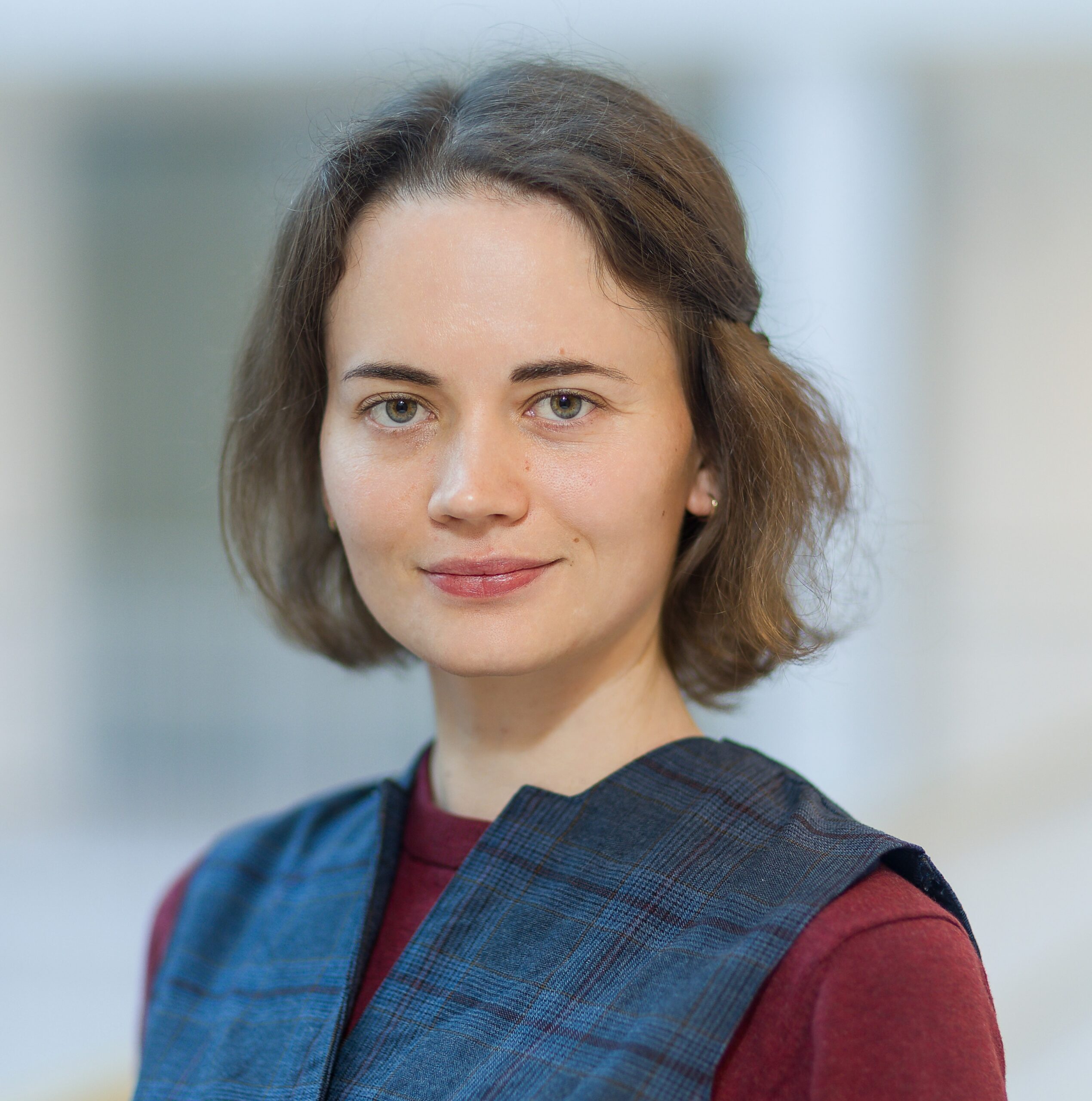
Dr. Anika Neuschulz is a postdoctoral fellow in the laboratories of Prof. Birgit Sawitzki at the Berlin Institute of Health @ Charité and Prof. Jan Philipp Junker and at the Max-Delbrück-Center for Molecular Medicine. She received her Ph.D. in molecular biology from the Humboldt University in Berlin in 2024 and holds a B.Sc. in biology and a M.Sc. in molecular life sciences. She is interested in uncovering, recording and understanding cellular decision making processes in development and infection response and has developed in vivo single cell and spatial RNA metabolic labelling tools to identify rapid changes in the transcriptome.
Cellular decision processes often occur at rapid time scales, much shorter than the half lifes of the RNA species involved – which makes it difficult to infer the timing and order of signalling events and cascades. This temporal information can be added through RNA metabolic labelling, where labelled nucleotides like 4-thio-uridine are incorporated into nascent RNA, marking transcripts that were generated after the addition of the modified nucleotides. Current RNA metabolic labelling protocols only provide high resolution on a single-cell but not spatial scale. Particularly in niche-dependant processes like development and differentiation, recording the environment at high spatial resolution is vital to gain true biological information. Here I present SLAM-ST, an openST-based, high-resolution, low-cost RNA metabolic labelling approach, which we used to identify highly active pathways in zebrafish development and organoid differentiation.
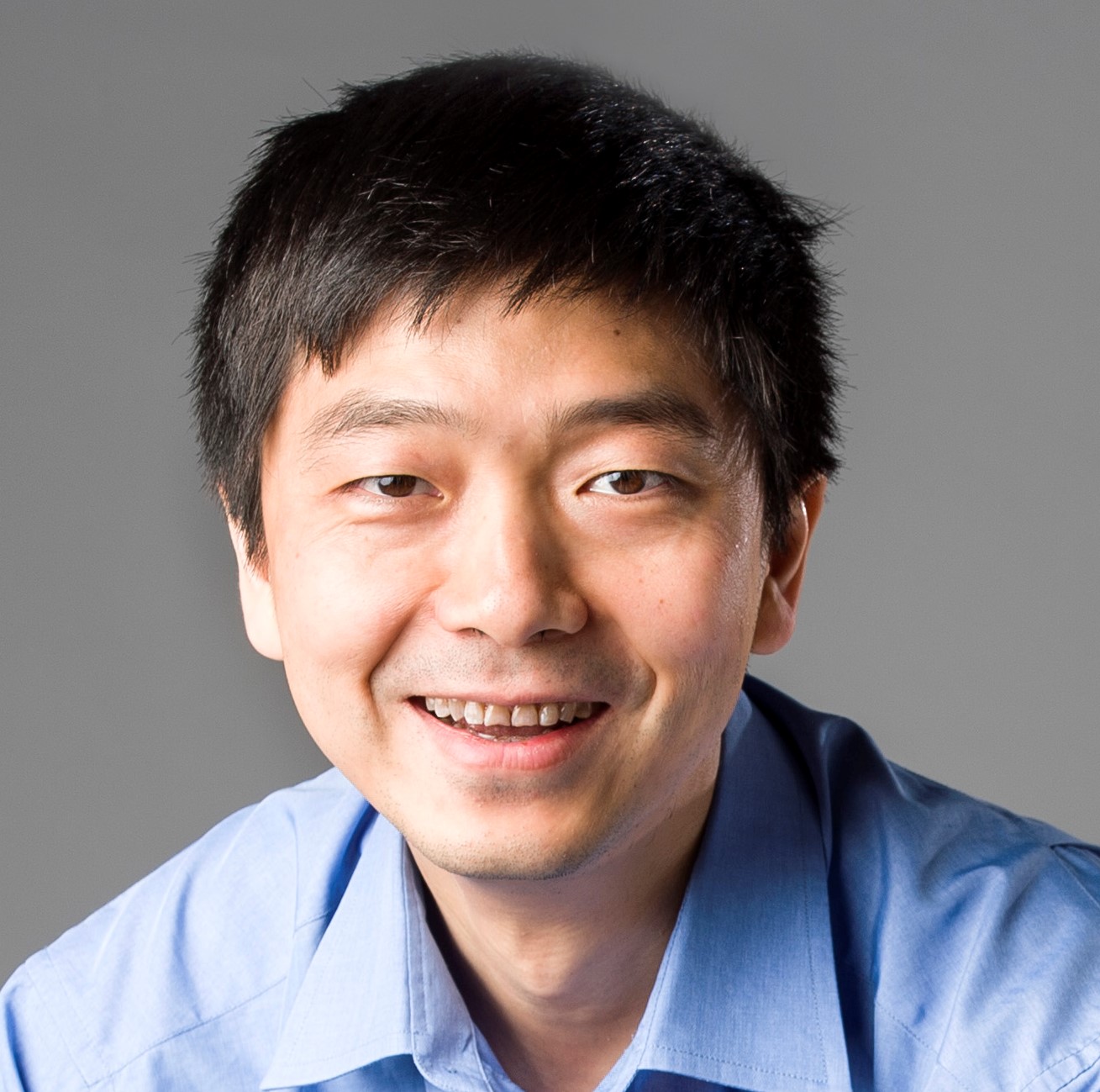
Dr. Hoifung Poon is the General Manager of Real-World Evidence at Microsoft Research and an affiliated faculty at the University of Washington Medical School. He leads biomedical AI research and incubation, with the overarching goal of structuring medical data to optimize delivery and accelerate discovery for precision health. His team and collaborators are among the first to explore large language models (LLMs) and multimodal generative AI in health applications, producing popular open-source foundation models such as PubMedBERT, BioGPT, BiomedCLIP, LLaVA-Med, BiomedParse, with tens of millions of downloads. His latest publications in Nature and Cell features groundbreaking digital pathology and spatial proteomics foundation models such as GigaPath and GigaTIME. He has led successful research partnerships with large health providers and life science companies, creating AI systems in daily use for applications such as molecular tumor board and clinical trial matching. His prior work has been recognized with Best Paper Awards from premier AI venues such as NAACL, EMNLP, and UAI, and he was named the “Technology Champion” by the Puget Sound Business Journal in the 2024 Health Care Leadership Awards. He received his PhD in Computer Science and Engineering from the University of Washington, specializing in machine learning and NLP.
Today, medical discovery advances one clinical trial at a time, each taking years to execute and often costing $100 million or more. As we enter the era of precision health in which we recognize that “one size doesn’t fit all” and thus try to tailor treatments for each individual, continuing on today’s discovery processes is clearly not sustainable. The confluence of technological advances and social policies has led to rapid digitization of multimodal, longitudinal patient journeys, such as electronic health records (EHRs), imaging, and multiomics. Our overarching research agenda lies in advancing multimodal generative AI to learn the language of patients and create a virtual patient world model as digital twin for forecasting disease progression and treatment response. This enables us to synthesize population-scale real-world evidence from hundreds of millions of patients and accelerate medical discovery through AI-powered virtual clinical trials, in deep partnerships with real-world stakeholders such as large health systems and life sciences companies.
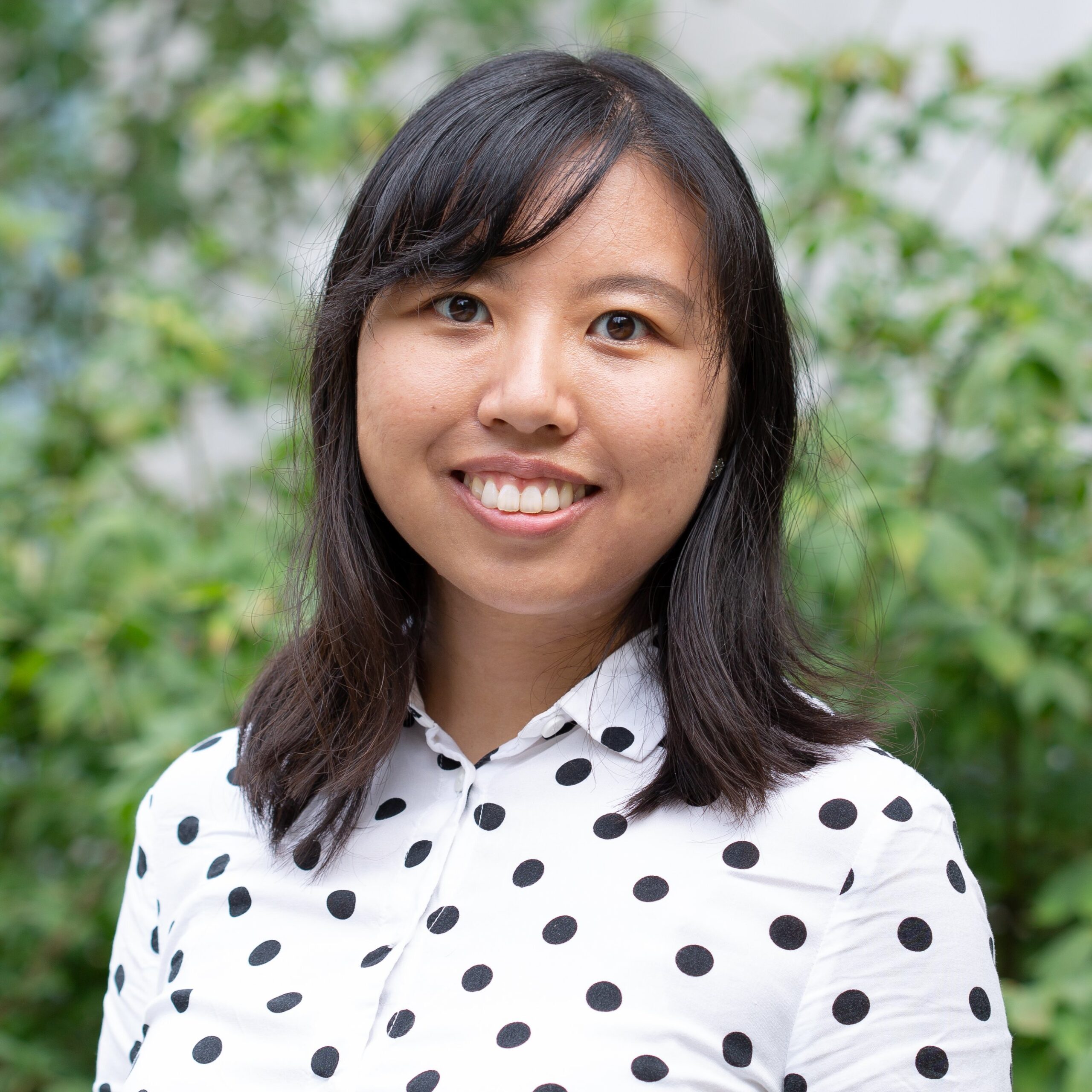
Dr. Yinan Wan is a postdoctoral fellow in the laboratory of Prof. Alexander Schier at the Biozentrum, University of Basel, where she develops spatial transcriptomics approaches to study vertebrate embryogenesis. She received her Ph.D. in Physiology, Development, and Neuroscience from the University of Cambridge as part of a joint graduate program with the Howard Hughes Medical Institute’s Janelia Research Campus, and holds a B.S. in Biological Sciences from Peking University. Dr. Wan has a broad interest in the intersection of molecular and biophysical aspects of embryonic and tissue development, and aims to understand how developmental systems balance variability and robustness. She is a recipient of EMBO and Marie Skłodowska-Curie fellowships.
Spatiotemporal patterns of gene expression underlie embryogenesis, yet mapping gene expression across whole embryos with both high resolution and comprehensive coverage remains a major challenge. Here, I present a whole-embryo imaging approach based on multiplexed error-robust fluorescent in situ hybridization (weMERFISH), which enables subcellular-resolution profiling of gene expression in intact zebrafish embryos. By integrating these data with single-cell multiomics, we generated a spatial atlas of gene expression and chromatin accessibility across the entire embryo. This framework reveals how complex expression patterns arise from combinations of tissue-specific regulatory elements, how global transcriptional changes align with cellular maturation and morphogenesis, and how sharp tissue boundaries form through changes in gene expression rather than cell sorting. Together, this work provides a scalable approach for whole-organism spatial transcriptomics and new insights into the regulation and dynamics of embryonic development.
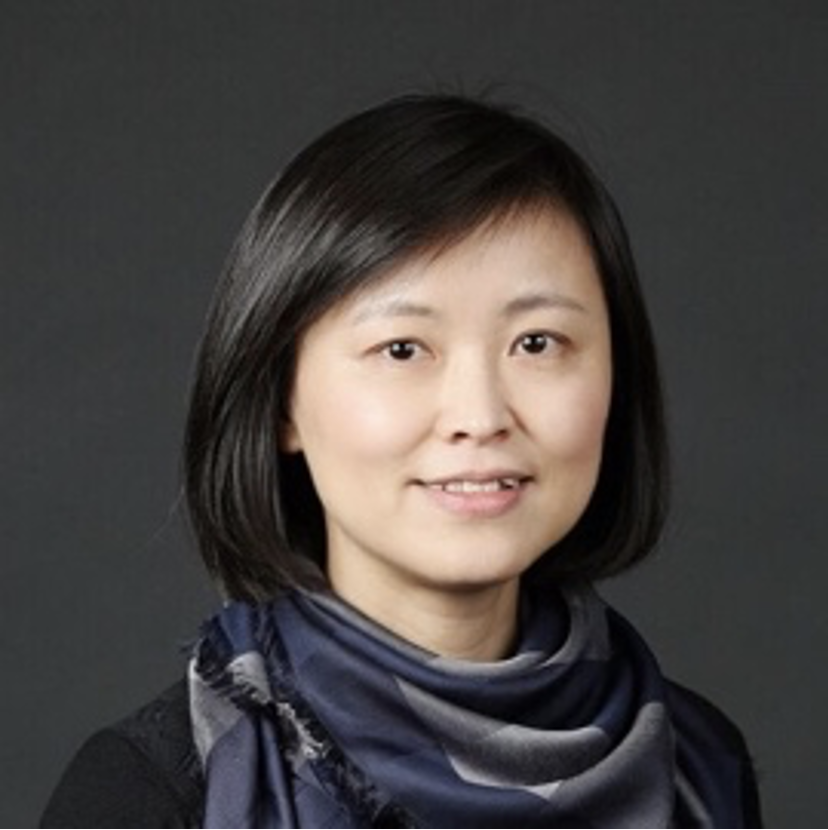
Mingyao Li, Phd is a Professor of Biostatistics, Statistics and Data Science, and Digital Pathology at the University of Pennsylvania. She received her PhD in Biostatistics from the University of Michigan in 2005. Initially trained as a statistical geneticist, Dr. Li gradually transitioned her research focus from traditional statistical genetics to statistical genomics after joining the University of Pennsylvania faculty in 2006. She has published over 200 peer-reviewed papers, including first author or senior author papers in top tier journals such as Nature, Nature Genetics, Nature Methods, Nature Biotechnology, Science, and The Lancet. The central theme of her current research is the application of statistical and machine learning methods to understand cellular heterogeneity in human-disease-relevant tissues using data from single-cell and spatial transcriptomics studies, with the goal of translating these findings into clinical practice. More recently, Dr. Li has expanded her expertise into computational pathology, which is essential for processing and analyzing spatial transcriptomics data. In recognition of her contributions to integrating spatial transcriptomics with histopathology, she was recently named to the 2024 Power List by The Pathologist. At UPenn, Dr. Li serves as the Director of the Statistical Center for Single-Cell and Spatial Genomics and chairs the Graduate Program in Biostatistics. She is an elected member of the International Statistical Institute, a Fellow of the American Statistical Association, and a Fellow of the American Association for the Advancement of Science.
Spatial omics has opened new frontiers in understanding the molecular organization of tissues, yet challenges remain in resolution, scalability, and accessibility. In this talk, I will share how my lab is developing AI-powered tools that bring spatial omics and pathology imaging together to overcome these barriers. I will highlight approaches that make spatial omics experiments smarter, faster, and more informative, from enhancing the detail we can see, to extending analyses across large and complex tissues, to integrating diverse molecular readouts in a unified framework. Finally, I will discuss how we are working to make these AI-driven methods not only powerful, but also transparent and trustworthy. Together, these advances aim to unlock the full potential of spatial omics, enabling new biological discoveries and practical applications in the era of precision medicine.
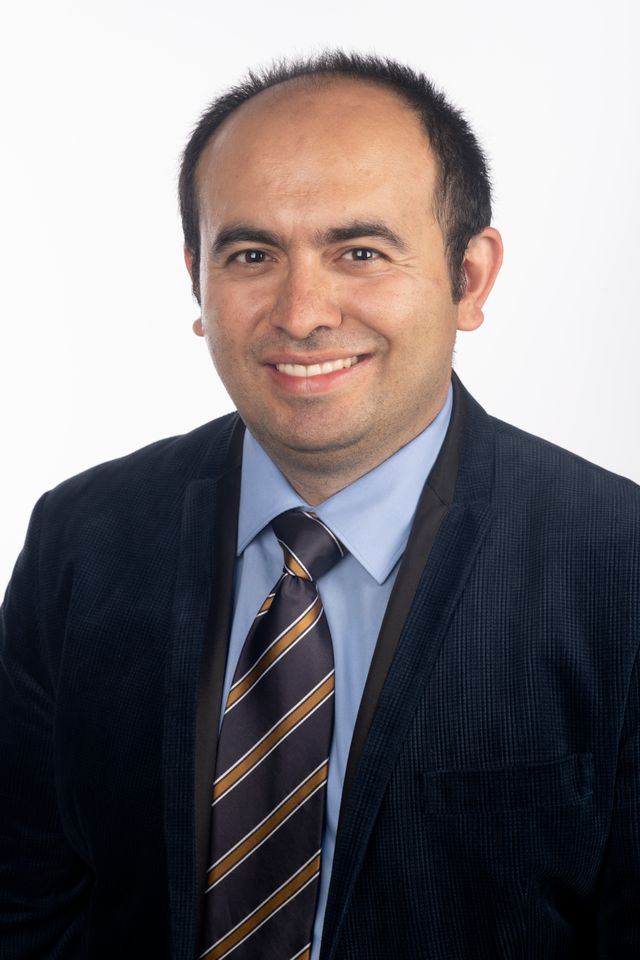
Ahmet F. Coskun, Ph.D. is Bernie-Marcus Early-Career Professor and Associate Professor of Biomedical Engineering at Georgia Tech and Emory with Tenure. He leads the Single Cell Biotechnology and Spatial Omics Laboratory, specializing in multiplexed cell imaging and quantitative spatial tissue biology. Coskun holds a PhD from UCLA, postdoctoral training at Caltech-Stanford. He received Sigma Xi (2025), NSF CAREER (2024), NIH R35 MIRA (2023), American Lung Association Innovation (2022), Burroughs Wellcome Fund CASI (2016), and Leukemia & Lymphoma Society Fellowship (2015) awards.
The spatial organization of cells in tissues and subcellular networks provides a quantitative metric for determining health and disease states. Single-cell analyses of molecular profiles with in-situ detection methods dissect spatial heterogeneity of distinct cell types. Such detailed cellular digital maps shed light on the spatial regulation mechanisms of many disorders. The next challenge in spatial biology is to link the cellular functional responses to the cell identities in their native three-dimensional (3D) environments. To achieve this important goal, image-based multiparameter molecular profiling has the potential to decode “high-dimensional dynamics of signaling and metabolism” at the subcellular and molecular levels in complex tissues. In this talk, I will introduce spatial omics modalities (spatial genomics, spatial interactomics, and spatial metabolomics) to decipher and model the spatio-temporal decision-making of single cells at macromolecular resolution in engineered organoids and human tissues for (1) systems immuno-engineering and immune-aging, (2) subcellular precision oncology, and (3) personalized regenerative medicine applications. Automated machine learning algorithms (Graph networks, generative mathematics, and gene neighborhoods) in this single-cell big data impact biomedical practice and clinical care.
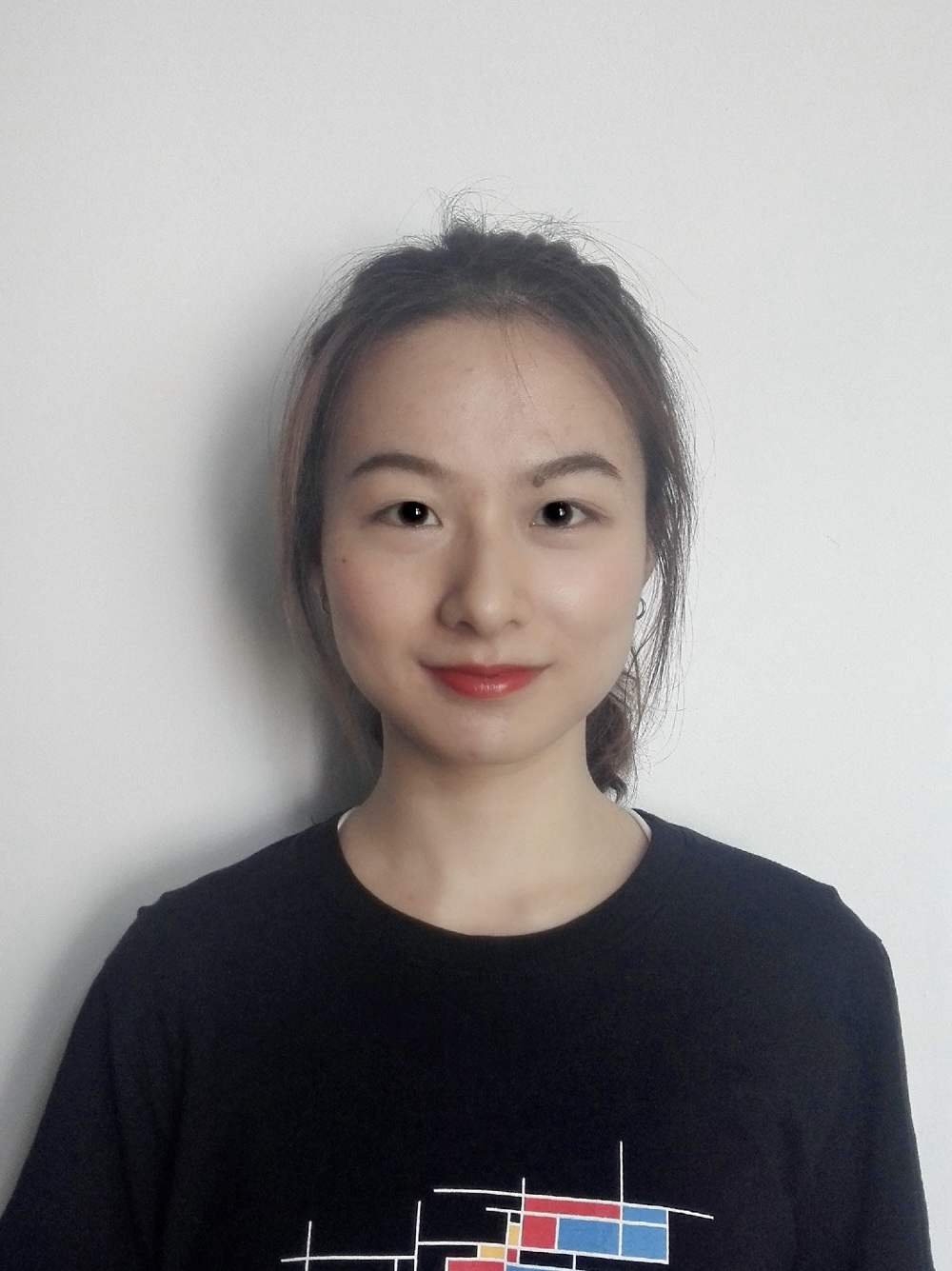
Dr. Mengwei (Carol) Hu was born and raised in Bengbu, Anhui, China. She earned her B.S. in Biological Sciences at Peking University, and subsequently pursued a Ph.D. in Genetics at Yale University under the supervision of Dr Siyuan (Steven) Wang. Her thesis project focused on developing an image-based pooled CRISPR screen platform of 3D genome regulators termed Perturb-Tracing (Nature Methods 2025). After graduation, she joined Merck as a senior scientist in the Department of Data, AI and Genome Sciences, and continued her research at the intersection of spatial biology and high-content CRISPR screen.
Dr. Hu will introduce her latest work at Merck, termed SPACE (SPAtial Cell Exploration), which enables spatial CRISPR screening in FFPE-embedded 3D spheroid models with whole-transcriptome-scale RNA readout and multiplexed protein detection.
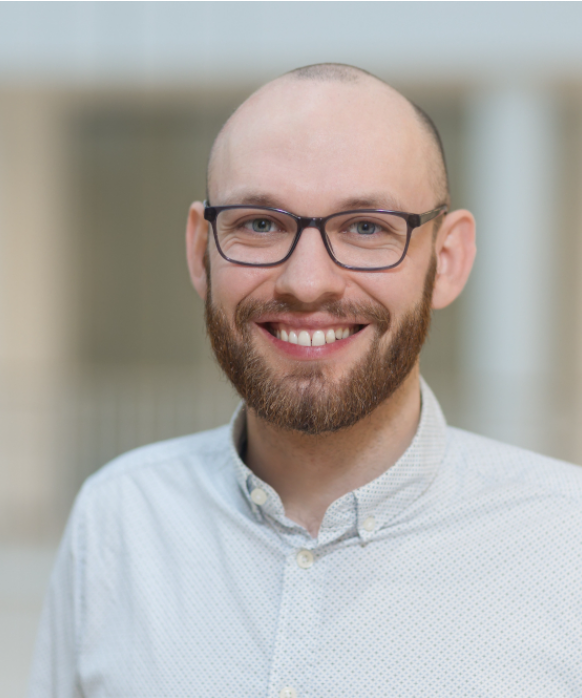
Niklas Müller-Bötticher studied Molecular Biotechnology at Heidelberg University before continuing with his Masters at ETH Zurich. After a short stint at Roche, he joined the group of Naveed Ishaque at the Berlin Institute of Health, working at the interface of omics, human disease, and data science. He focuses on developing computational methods to better understand and model spatial transcriptomics data and played core roles in the development of the cell segmentation-free tool Sainsc and the spatial clustering algorithm SpatialLeiden.
Imaging-based spatially resolved transcriptomics can localize transcripts within tissue sections in 3D. Cell segmentation assigns transcripts to cells and precedes annotation of cell function. However, cell segmentation is usually performed in 2D, thus unable to deal with spatial doublets arising from overlapping cells, resulting in segmented cells containing transcripts originating from multiple cell types. Here we present a computational tool called ovrlpy that identifies overlapping cells, tissue folds, and inaccurate cell-segmentation by analyzing transcript localization in 3D.
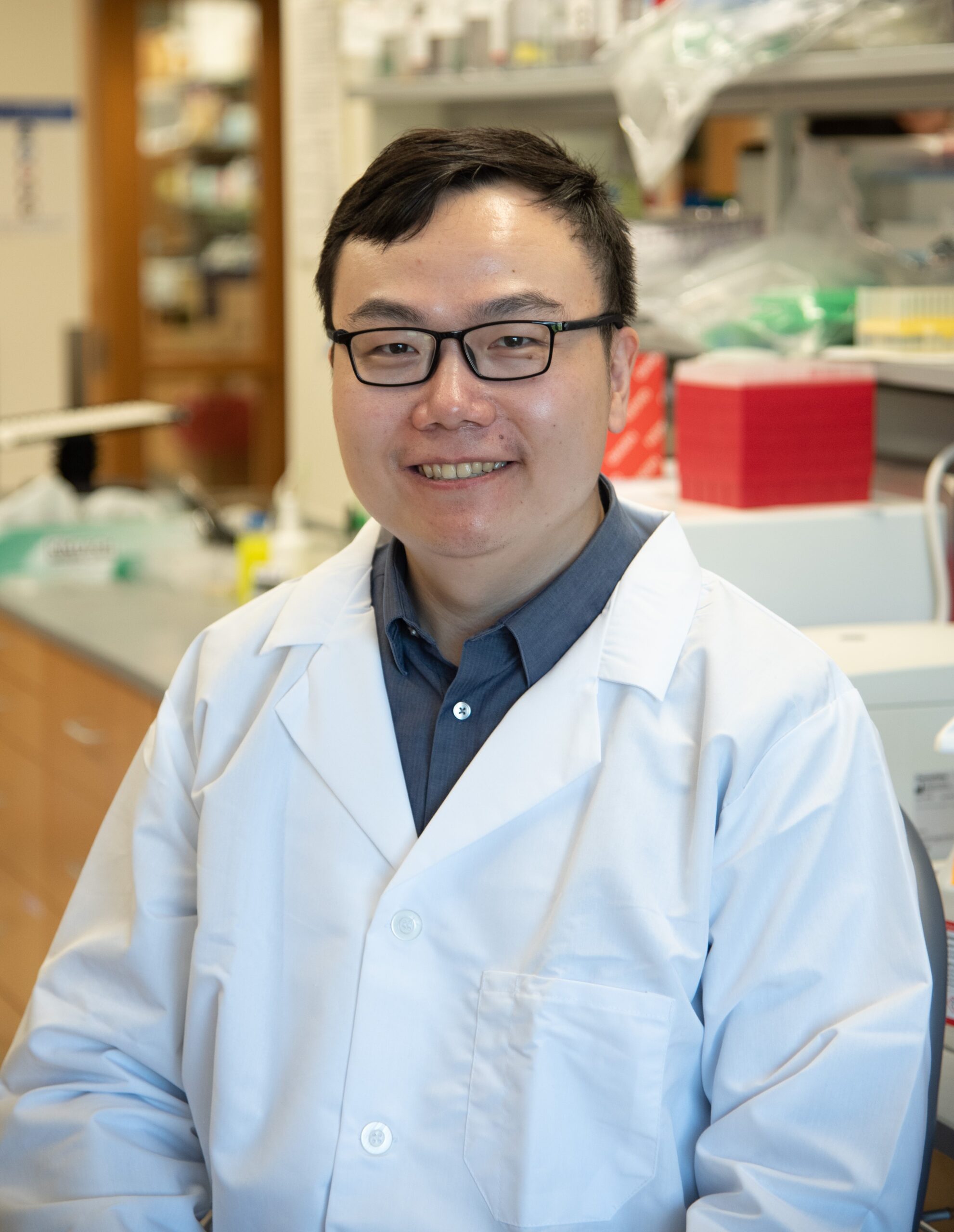
Dr. Siyuan (Steven) Wang, is an Associate Professor of Genetics and Cell Biology at Yale School of Medicine. Research in his lab focuses on the development and application of state-of-the-art image-based omics approaches to understand the spatial organization of mammalian genome and transcriptome, and how they impact cellular states. Originally from China, Dr. Wang received a Bachelor of Science degree in Physics from Peking University in 2007. He then moved to the US and received a Ph. D. in Molecular Biology from Princeton in 2011 and later his postdoctoral training at Harvard. In 2017 he was appointed Assistant Professor by Yale University, and was promoted to the rank of Associate Professor in 2023. Dr. Wang developed/co-developed multiple influential technologies in the spatial omics field including the first-in-kind image-based 3D genomics method termed “chromatin tracing” (Science 2016) to trace the spatial folding of genome, “MERFISH” for spatial transcriptome profiling (Science 2015, Nature Methods Method of the Year 2020), and “MINA” for integrative 3D genome, spatial transcriptome and protein imaging in the same, single cells in mammalian tissue. His lab recently generated the first single-cell 3D genome atlases in cancer (Nature Genetics 2025), developed a new high-content screening technology termed “Perturb-tracing” for building the 3D genomic “regulatome” (Nature Methods 2025), and invented a new spatial transcriptomics technology termed “RAEFISH” for sequencing-free whole-genome spatial transcriptomic mapping with single-molecule resolution (Cell 2025). He received the 2011 American Physical Society Award for Outstanding Doctoral Thesis Research in Biological Physics, the 2012 Jane Coffin Childs Fellowship, the 2016 International Union of Pure and Applied Physics Young Scientist Prize in Biological Physics, the 2018 35 Innovators Under 35 of China by MIT Technology Review, the 2019 NIH Director’s New Innovator Award, the 2022 Pershing Square Sohn Prize for Young Investigators in Cancer Research, the 2023 Biophysical Society Early Career Award in Physical Cell Biology, the 2023 Hevolution/AFAR New Investigator Awards in Aging Biology and Geroscience Research, and the 2024 American Society for Cell Biology Innovation in Research Award.
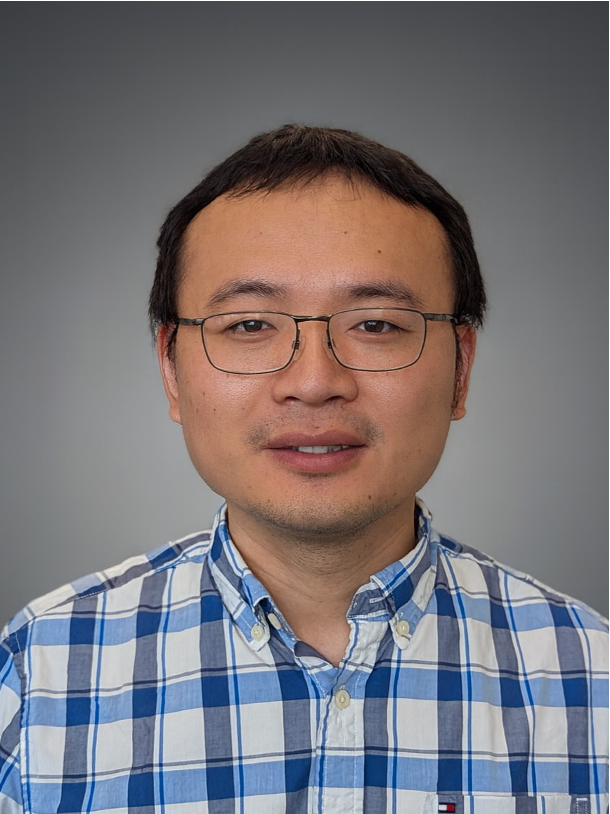
Dr. Pengzhi Zhang is a Research Associate in Dr. Guangyu Wang’s lab at the Houston Methodist Research Institute, Weill Cornell Medicine. His research focuses on developing computational tools that bridge high-resolution imaging with next-generation sequencing to enable cell-level biological insights. He earned his Ph.D. in Computational Biophysics under the supervision of Prof. Margaret S. Cheung at the University of Houston, and his B.S. in Physics from the University of Science and Technology of China. Dr. Zhang develops machine learning frameworks to study molecular and imaging data, creating versatile platforms for holistic tissue analysis. His first-author work has been published in Nature Methods, Nature Biotechnology, and Nature Communications.
Dr. Zhang will introduce Thor, a computational platform that unites these two dimensions at the single-cell level. Thor integrates spot-level gene expression with tissue morphology by inferring single-cell level molecular maps.
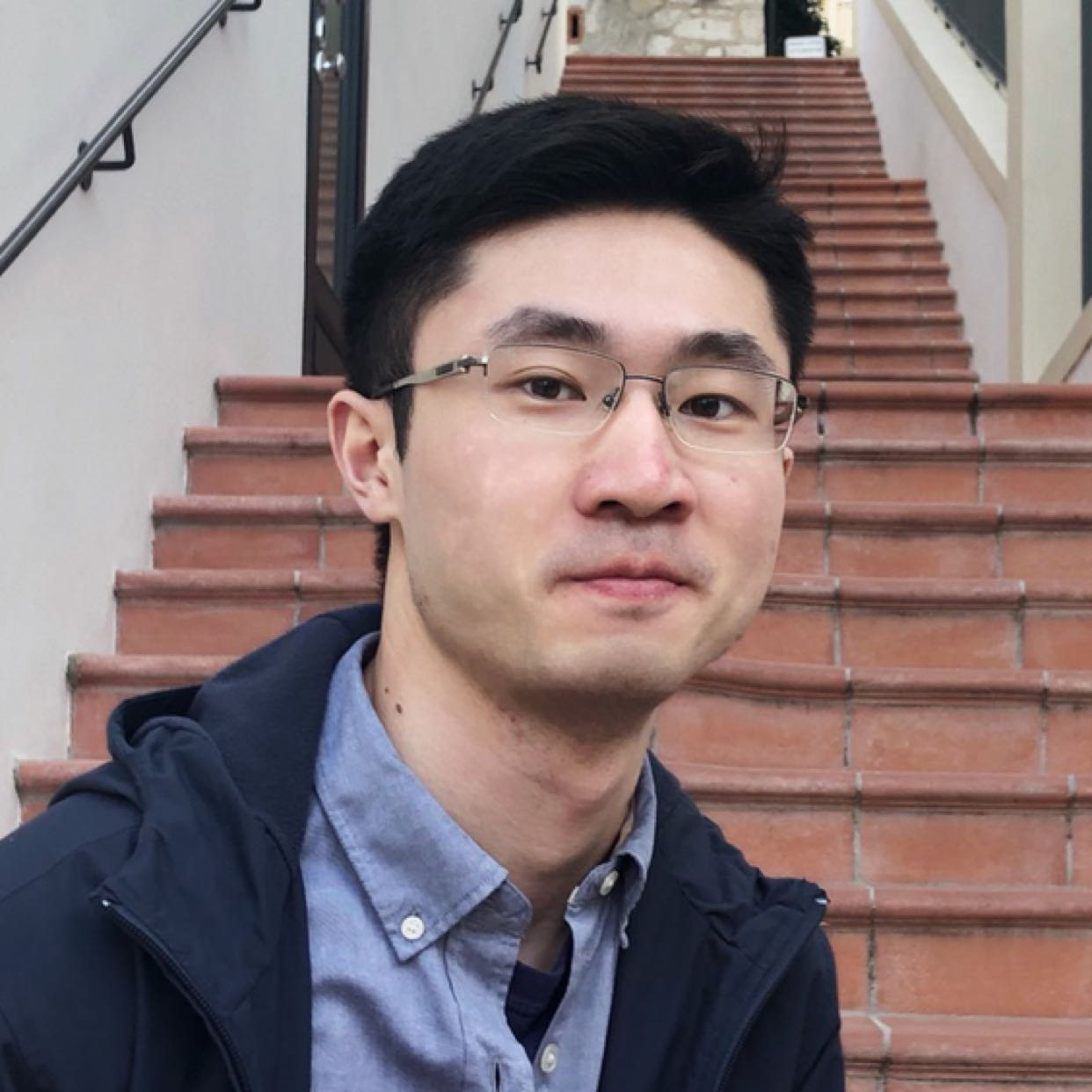
Dr. Hanchen Wang is a postdoc with Jure Leskovec at Stanford AI Lab and Aviv Regev at Genentech. His first-author work is in Nature, Nature Biotechnology, Nature Machine Intelligence & NeurIPS. He co-organized events on “AI for Science” in ICML, ICLR, NeurIPS. He did a CS PhD at Cambridge in 3 years with Joan Lasenby from Trinity College; a Physics BS from Nanjing with Xinran Wang, where he was the commencement speaker. He secured university admission at 15 while at Suzhou High School. He spent time in finance, tech & biotech. He’s a national athlete in 400m, and enjoys reading history & biography. He is a molecular biologist and biomedical engineer whose work bridges high-resolution imaging with next-generation tissue analysis.
Dr. Wang will be presenting SpatialAgent, an AI agent dedicated to spatial biology. It integrates large language models with dynamic tool execution and adaptive reasoning, supporting the entire research pipeline, from experimental design to multimodal data analysis and hypothesis generation. In this talk, we’ll share the behind-the-scenes journey of building it, including the “aha” moments, lessons learned, and failures along the way.
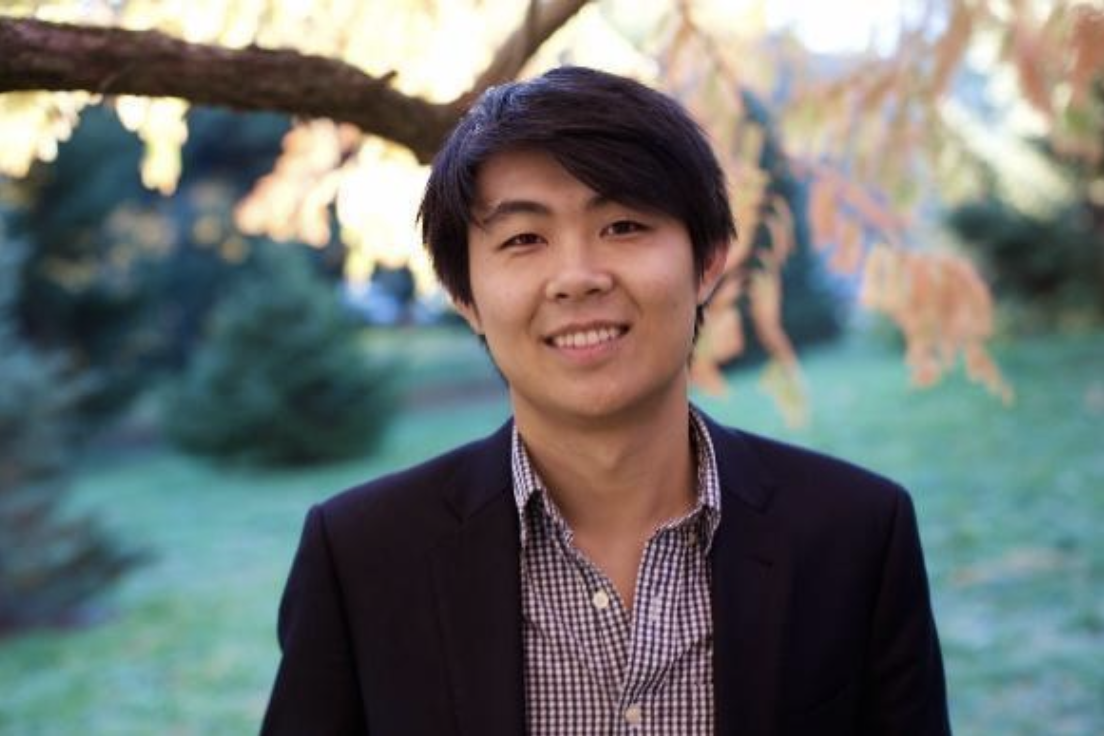
Dr. Fei Chen is a Core Institute member at the Broad Institute of MIT and Harvard and an associate professor in the Department of Stem Cell and Regenerative Biology at Harvard University. Chen’s laboratory is building tools that bridge single-cell genomics with space and time, to enable discoveries of where cell types are localized within intact tissues, as well as when relevant transcriptional modules are active.
Chen obtained his Ph.D. in biological engineering from the Massachusetts Institute of Technology, where he worked with Ed Boyden. Chen was a Schmidt Fellow at the Broad Institute. His awards include the National Institutes of Health Director’s Early Independence Award, the Searle Scholars Award, the Burroughs Wellcome CASI Award, the Allen Distinguished Investigator Award, and a Merkin Institute Fellowship.